

How Facial Recognition Is Changing Repeat Shoplifting Investigations in Georgia
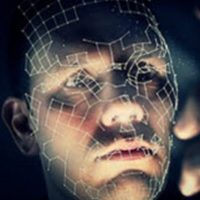
Retailers have long used security cameras and loss-prevention employees to identify suspected shoplifters. Facial-recognition systems add another layer by comparing a person entering a store with photographs already stored on a watchlist. An alert generated at the entrance may connect a current customer with a shoplifting accusation from another date or location before the new store visit has been fully observed.
Once a retailer associates a name with one image, later reports may repeat that identity across several stores. For someone accused of being a repeat shoplifter, working with an experienced Atlanta theft lawyer can help trace the identification back to the first image and test each later accusation against the evidence from that particular store visit.
What Georgia Shoplifting Law Requires
O.C.G.A. § 16-8-14 defines theft by shoplifting through specified conduct involving merchandise and the intent to appropriate it without paying or otherwise deprive the owner of possession or value. The statute covers conduct such as taking or concealing merchandise, changing price information, switching labels or containers, and wrongfully causing the amount paid to be less than the merchant’s stated price.
Facial recognition addresses who the retailer believes was in the store. Surveillance, receipts, register data, and employee observations provide the evidence of what happened with the merchandise. At self-checkout, for example, the sequence may include which items were scanned, whether a barcode registered, what appeared on the payment screen, and what the customer did before leaving.
Several alleged incidents can also increase the potential consequences. Section 16-8-14 contains felony provisions involving property taken from three separate stores within one county during seven days or less when the statutory aggregate-value requirement is met. It also addresses shoplifting during a 180-day period when the aggregate value satisfies the statutory threshold. A retailer that identifies the same person across several visits may therefore turn one investigation into a series of allegations with greater potential exposure.
When a Store Visit Becomes a Watchlist Entry
Retailers can create internal watchlist profiles from their own loss-prevention investigations. Store personnel may save a frame from surveillance footage, associate it with an incident report, and use the resulting profile for comparisons when facial-recognition software scans customers entering other participating locations.
Ceiling-mounted cameras may capture a face from above, while movement near an entrance can blur features or leave the person looking away from the lens. Glare, shadows, glasses, hats, and other customers passing through the frame may further limit what the image shows. Store personnel can then attach a name or suspected identity to the photograph before it becomes the reference for later comparisons.
At another location, loss-prevention personnel may receive the stored image together with the identity already attached to it. A second report can repeat the same name, followed by another report from a different store. Several allegations may eventually share an identification that began with one photograph selected during the first investigation.
Image Quality Shapes a Facial-Recognition Match
Facial-recognition software analyzes a newly captured face against images stored in a database and measures similarities between them. Retail systems may generate an alert once a comparison reaches a configured threshold. A false positive occurs when the system associates images belonging to two different people.
Retail surveillance introduces variables on both sides of the comparison. A watchlist photograph taken from above may later be compared with a side view captured under different lighting. Facial hair, glasses, expression, movement, camera angle, and changes in appearance may alter the features available to the software.
Loss-prevention reports often compress the result into a phrase such as “facial-recognition match” or “known subject identified.” Viewed side by side, the source photographs may show a partial face, glare near a doorway, a poor camera angle, or visible differences that receive little attention in the abbreviated report.
After Facial Recognition Flags a Customer
An entrance alert may prompt loss-prevention employees to begin watching a customer immediately, retrieve an earlier incident report, or focus store cameras on that person. By the time the customer reaches the sales floor, employees may already have a name, photograph, and description of an earlier theft allegation.
Surveillance timestamps can show where the investigation began. An employee may have been watching merchandise before the alert appeared, while another recording may show surveillance starting moments after the system identified a possible match. Comparing that sequence with the later incident report can establish when particular observations were made.
A claim that merchandise was concealed can also be checked against the employee’s vantage point and the available camera footage. Self-checkout allegations can be compared with register data, while changes in camera views may reveal periods when the customer was out of sight. These records help distinguish the observations made during the current visit from information carried into the investigation through the watchlist alert.
Examining the Evidence Behind a Facial-Recognition Alert
A retailer may generate several records before a facial-recognition identification reaches police. The file could include the image used to create the original watchlist profile, a later camera image, the system-generated comparison, the alert displayed to loss-prevention personnel, timestamps, and records showing changes made to the stored profile.
O.C.G.A. § 24-9-901 requires sufficient evidence supporting a finding that material offered in court is what its proponent claims it to be. The statute also recognizes evidence describing a process or system used to produce a result and showing that the process or system produces an accurate result as one method of authentication.
A screenshot showing a customer’s name and a match alert captures only part of the identification history. Missing source images, incomplete timestamps, or changes to the stored profile may leave gaps between the first store investigation and the identity later supplied to police. When several shoplifting allegations have been tied together through the same watchlist profile, guidance from a knowledgeable Atlanta theft lawyer can help separate the individual incidents and examine the identification connecting them.
Contact The Spizman Firm Today
If facial recognition placed you on a retailer watchlist or was used to connect you with several alleged shoplifting incidents, earlier surveillance, store records, and the evidence from each visit may affect the charges against you. Reviewing the identification history may reveal where the retailer first associated your identity with an image and how that information was used at later locations.
The Spizman Firm represents clients facing theft and shoplifting charges throughout the Atlanta metropolitan area and the State of Georgia. Contact us to speak to one of our trusted Atlanta theft lawyers at The Spizman Firm today about challenging a shoplifting case built on disputed facial-recognition evidence.
Sources:
- Georgia Code § 16-8-14 — Theft by Shoplifting
law.justia.com/codes/georgia/title-16/chapter-8/article-1/section-16-8-14/ - Georgia Code § 24-9-901 — Requirement of Authentication or Identification
law.justia.com/codes/georgia/title-24/chapter-9/article-1/section-24-9-901/ - Federal Trade Commission — Rite Aid Banned from Using AI Facial Recognition After FTC Says Retailer Deployed Technology Without Reasonable Safeguards
ftc.gov/news-events/news/press-releases/2023/12/rite-aid-banned-using-ai-facial-recognition-after-ftc-says-retailer-deployed-technology-without - National Institute of Standards and Technology — Face Recognition Technology Evaluation: Demographic Effects in Face Recognition
pages.nist.gov/frvt/html/frvt_demographics.html